
How Behavioural Psychology, AI & Digital Strategy Are Shaping Modern Wellness Platforms
- Louise Buckingham

- 3 days ago
- 3 min read
Updated: 2 days ago
psychology-led marketing and behavioural design creates more meaningful digital wellbeing experiences.
The digital wellness space has grown rapidly in recent years, but many platforms still face the same challenge: creating experiences that people genuinely connect with, return to, and trust over time. While many wellbeing apps focus heavily on features, content libraries, or short-term engagement tactics, sustainable growth in mental health and wellness requires something deeper: emotional usability, behavioural understanding, and a platform experience that feels genuinely human.
Minds Partnership recently supported the development of a confidential digital wellness platform that combines reflective wellbeing tools, AI-assisted engagement, and psychology-led digital experiences.
Due to the nature of the project, specific details have been anonymised, but the work reflects our wider approach to behavioural digital strategy within the mental health and wellbeing sector.
The Challenge: Creating a Wellness Platform That People Actually Engage With
One of the biggest problems within the wellness technology space is not awareness — it is retention.
Many users download wellbeing apps with good intentions, only to disengage after a short period. Often, this is not because the platform lacks content, but because the experience itself feels disconnected from real human behaviour.
The challenge was to help create a digital experience that felt:
emotionally supportive
easy to engage with consistently
reflective rather than overwhelming
structured without feeling clinical
scalable without losing human connection
At the same time, the platform needed stronger positioning, clearer user journeys, improved app discoverability, and a long-term digital marketing strategy to support sustainable growth.






Building Behavioural Wellbeing Experiences
Rather than approaching the project purely as a marketing exercise, the focus was placed on behavioural engagement and emotional user experience.
The work included supporting the development of:
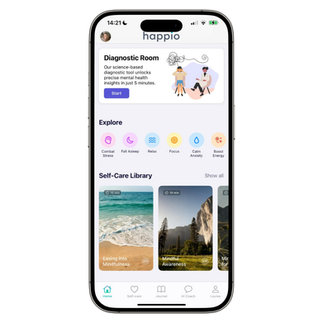
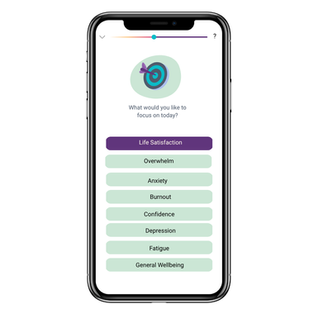
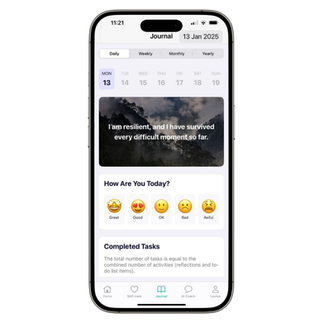
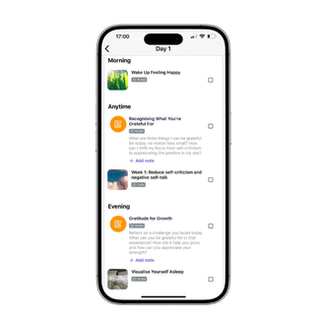
CBT-inspired journalling structures
guided reflection pathways
emotional processing prompts
mindset and habit-building concepts
therapeutic-style wellbeing content
user engagement journeys designed around behavioural psychology principles
The goal was not simply to create “content,” but to build experiences that encouraged users to slow down, reflect, and engage more intentionally with their wellbeing.
Exploring AI-Assisted Reflective Support
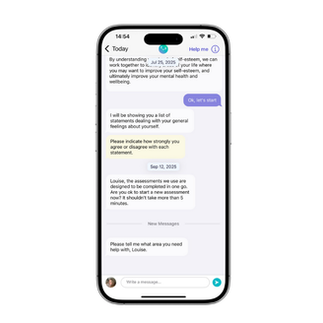
As part of the wider project, Minds Partnership also supported the development of AI-assisted reflective experiences designed to enhance user engagement within a wellness environment.
Importantly, the intention was never to position AI as a replacement for therapy or human support. Instead, the focus was on how conversational technology could be used responsibly to encourage:
reflective thinking
emotional check-ins
guided self-awareness
structured journalling
Ongoing engagement with wellbeing practices
This required careful consideration around:
ethical positioning
tone of voice
emotional safety
behavioural design
user trust
In a sector where trust matters deeply, creating emotionally intelligent digital experiences is no longer optional; it is essential.
Creating the Digital Marketing Ecosystem
Alongside product and content development, Minds Partnership also supported the platform's wider digital growth strategy.
This included:
website strategy and messaging
SEO-focused content development
evergreen wellbeing articles
onboarding and lifecycle journeys
email marketing systems
social and brand positioning
user engagement pathways
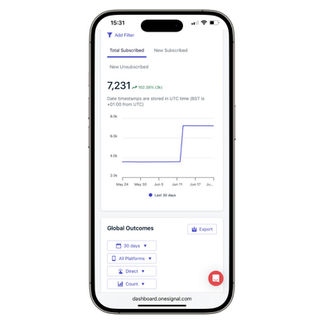
Google Ads campaign strategy
app visibility and ASO (App Store Optimisation)
conversion-focused landing pages
long-term organic visibility strategy
Particular focus was placed on ensuring the platform could be discovered both through traditional search engines and within increasingly competitive app marketplaces.
ASO strategy included:
keyword optimisation
app positioning
conversion-focused descriptions
behavioural language refinement
visibility improvements within app store search environments
At the same time, Google's campaign strategy focused on building targeted awareness and actively attracting users who were searching for wellbeing support, reflective tools, and mental wellness resources online.
Rather than relying solely on short-term marketing tactics, the approach focused on building sustainable digital foundations that support long-term platform growth.
Why Psychology-Led Marketing Matters in Wellness
Mental health and wellness brands operate differently from traditional businesses.
Users are not simply purchasing products; they are seeking safety, trust, understanding, and an emotional connection. That means marketing in this space requires a more thoughtful, psychologically informed approach.
At Minds Partnership, we combine behavioural psychology principles with digital strategy to help wellness brands create experiences that feel:
more human
more trustworthy
more emotionally engaging
and ultimately more sustainable over time
Because in wellbeing, connection always converts better than noise.
The Outcome
The project helped establish a stronger behavioural framework for the platform while supporting the development of more emotionally intelligent digital experiences.
By combining reflective wellbeing content, AI-assisted engagement concepts, ASO strategy, Google campaign planning, and full-funnel digital marketing, the platform gained stronger foundations for long-term growth, user engagement, and visibility within the evolving wellness technology space.
Building a Mental Health or Wellness Brand?
We help therapists, wellbeing brands, coaches, and mental health organisations create psychology-led digital ecosystems designed for long-term growth.
From behavioural content systems and SEO to AI integration, ASO, paid campaigns, branding, and full-cycle marketing, Minds Partnership helps wellness businesses grow in ways that feel ethical, human, and commercially sustainable.


Comments