

Digital Therapeutic Tools: Enhancing Online Therapy in a Modern Practice
- Louise Buckingham

- May 21
- 3 min read
We’ve been exploring more ways to make online therapy sessions genuinely interactive, because while moving online has increased accessibility, it’s also changed how sessions feel.
Without the physical tools many therapists rely on, it’s easy for sessions to become more conversational and less engaging.
And when that happens, clients don’t always connect as deeply with the process.
That’s why digital tools are becoming such an important part of modern therapeutic practice, helping bring creativity, structure, and interaction back into the work.
Why Interaction Matters in Online Therapy
One of the biggest shifts in online counselling is the loss of “doing.”
In face-to-face sessions, therapists naturally use:
Visual tools
Creative exercises
Physical prompts
Online, those elements can disappear — unless they are intentionally replaced.
Without them, sessions risk becoming:
Passive
Repetitive
Less emotionally engaging
The right digital therapy tools don’t just fill that gap; they enhance the overall experience of online therapy sessions.

Virtual Sand Tray Therapy
Tools like Online Sand Tray and CoralEHR Virtual Sand Tray allow therapists to bring symbolic work into the digital space.
How this looks in practice:
Clients build a scene that represents how they feel
Objects are placed to reflect relationships, emotions, or experiences
The therapist explores meaning collaboratively
Why it works:
Even without the tactile element, the symbolic process remains powerful — helping clients express what they may not yet have words for.
Creative Tools for Emotional Expression
Platforms such as The Counselling Palette and Therapist Aid bring creative work into sessions.
In practice:
Clients draw or build visual representations of emotions
Mandalas are used for grounding and regulation
Emotion tools help expand awareness and language
Why it works:
Not everything can be said, and these tools give clients another way to process and express what’s going on internally.
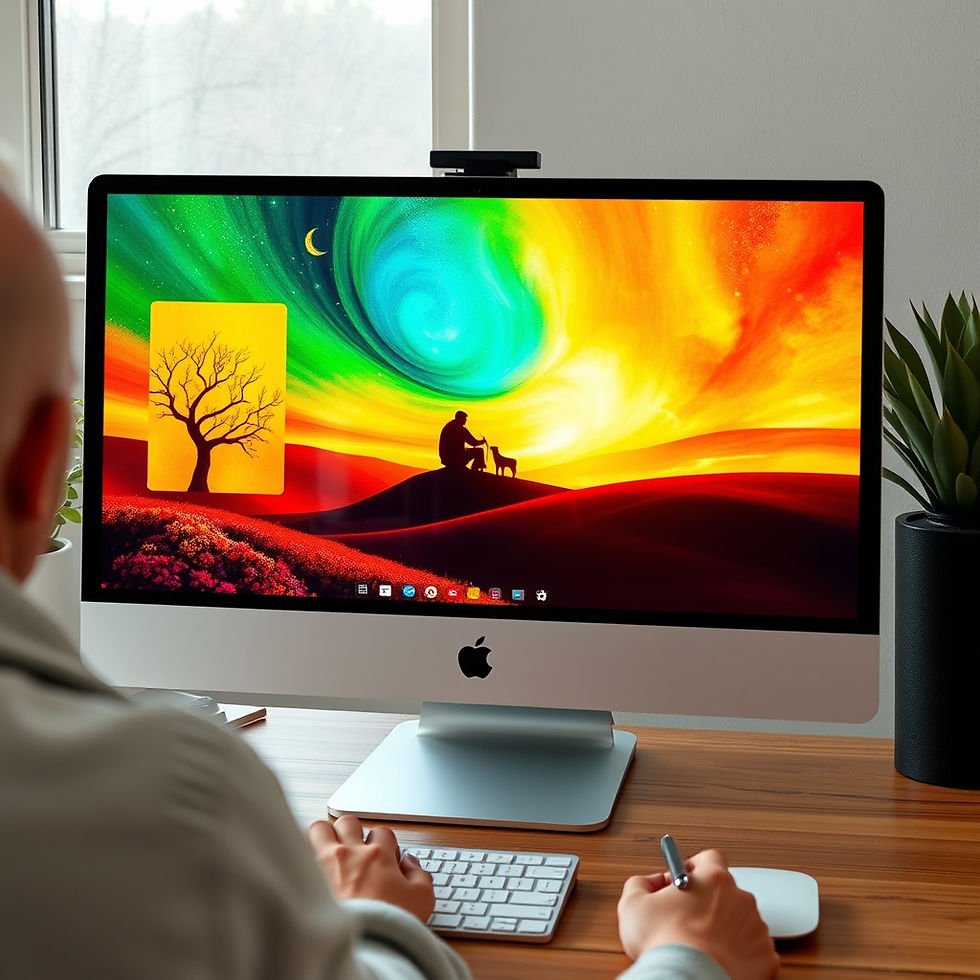
Therapy Cards, Prompts & Worksheets
Using tools like Deckible, Therapist Aid, and Psychology Tools helps bring structure into online sessions.
In practice:
Prompt cards help open up difficult conversations
Worksheets can be completed together in real time
Clients can continue reflecting between sessions
Why it works:
Structure builds clarity — and helps clients feel like they are making real progress.
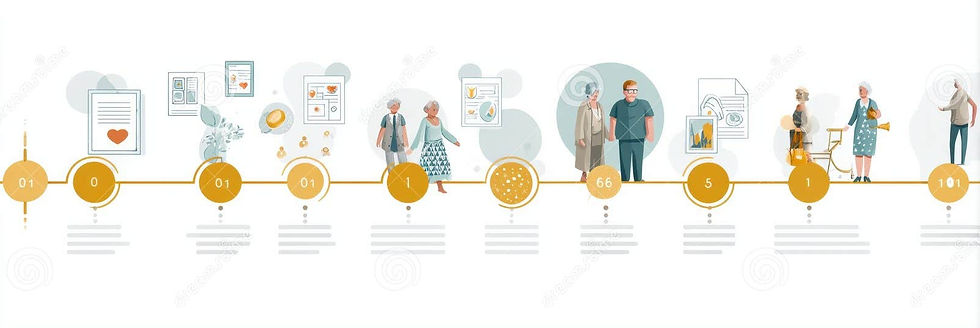
Timelines & Visual Mapping
Tools like Miro, Google Jamboard, and Canva allow therapists to map experiences visually.
In practice:
Create life timelines
Explore patterns and key events
Build future-focused plans
Why it works:
Seeing experiences visually often helps clients step back and recognise patterns they hadn’t noticed before.

Interactive Whiteboards & Play-Based Tools
Platforms like Whiteboard by PlaySpace and PlaySpace reintroduce interaction into sessions.
In practice:
Draw emotions together
Use simple games to build rapport
Map thoughts and behaviours visually
Why it works:
For many clients, especially younger ones, engagement is what allows the work to happen in the first place.
Building a Practice That Works Online
Using the right digital tools for online therapy can transform how sessions feel.
But there’s another side to this.
Because creating a successful online practice isn’t just about what happens in the session, it’s also about what happens before it.
How clients find you
How your website communicates your value
How confident do they feel booking with you
These all play a role in whether your practice grows.
Ready to Grow Your Online Practice?
If you’re a therapist or counsellor looking to build or expand your online practice, having the right tools is only part of the equation.
At Minds Partnership, we help therapists create practices that not only deliver meaningful sessions but also attract the right clients and turn interest into bookings.
Explore how we can support your growth
Final Thought
Online therapy doesn’t have to feel like a limitation. With the right approach, it can become a more flexible, creative, and engaging way to work.
And often, it’s the therapists who embrace that shift, both clinically and digitally, who see the biggest growth.


Comments